

Home » Clean Energy Technologies

Clean Energy Technologies
Latest Issue

Volume 2, Issue 1

March 2026

Clean Energy Technologies

Clean Energy Technologies is committed to advancing the global transition towards a sustainable energy future. Our mission is to promote the research, development, and deployment of clean energy technologies that minimize environmental impact and contribute to economic growth. CET aims to serve as a leading international platform for the exchange of innovative ideas, scientific findings, and technological breakthroughs in the field of clean energy. The journal seeks to foster collaboration among academia, industry, and policymakers to accelerate the adoption of clean energy solutions worldwide.

ISSN: 2755-8983
Frequency: Semi-annual (March, September)
Language: English

E-mail: ojs@ukscip.com

Journal Abbreviation: cet

Submit Manuscript

Latest Published Articles

The Carbon Market Paradox: When Emissions Do Not Determine Trading Actions
28 (Views) 12 (Downloads)

The Carbon Market Paradox: When Emissions Do Not Determine Trading Actions

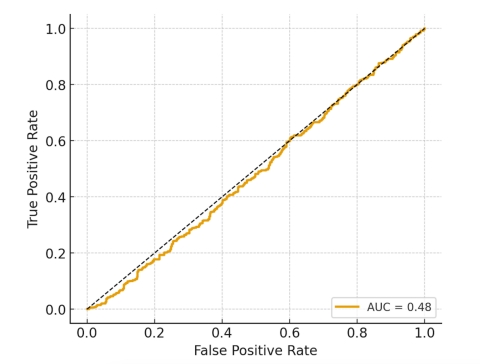
This study examined how carbon pricing and compliance costs affect corporate trading behaviour in carbon markets. It addressed a gap in understanding how market-oriented climate policies shape corporate conduct at the micro level. The study used a two-stage quantitative methodology and analysed 5,000 firm-level records from four sectors (cement, energy, manufacturing, steel) and multiple fuel t...
View pdf Read more →
A Methodology for Firm Capacity Planning, Including the Economic Feasibility Assessment of a Hydrogen Storage–Based Generation Project
19 (Views) 10 (Downloads)

A Methodology for Firm Capacity Planning, Including the Economic Feasibility Assessment of a Hydrogen Storage–Based Generation Project

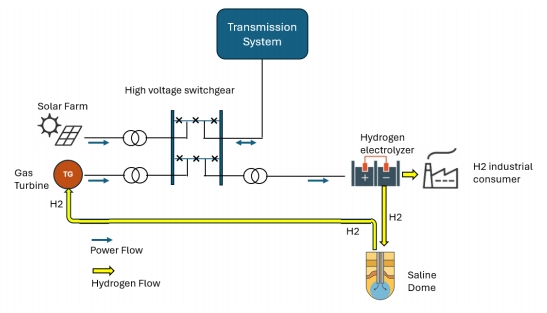
A high penetration of wind and solar generation within the generation mix will result in an increased supply risk due to the random variations inherent in renewable generation. This document proposes a new methodology for calculating system marginal costs as part of generation fleet expansion planning that accounts for the impact of these random variations. This new methodology incorporates an ...

View pdf Read more →